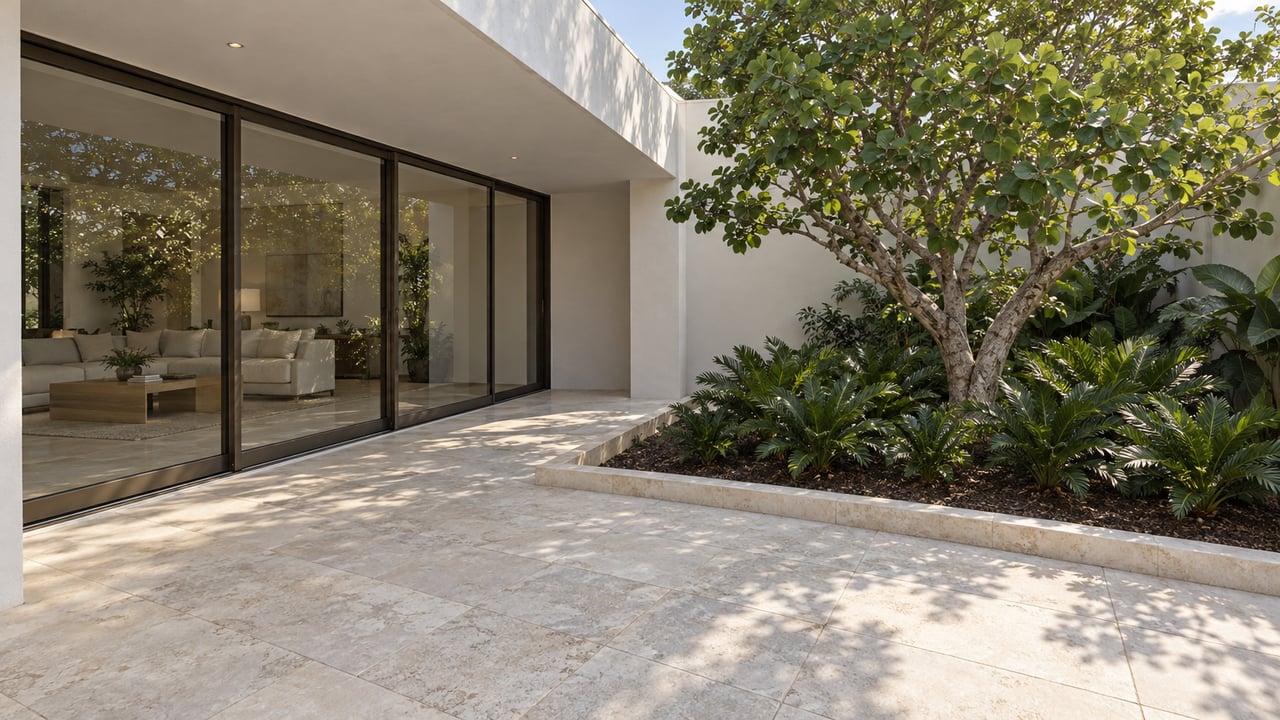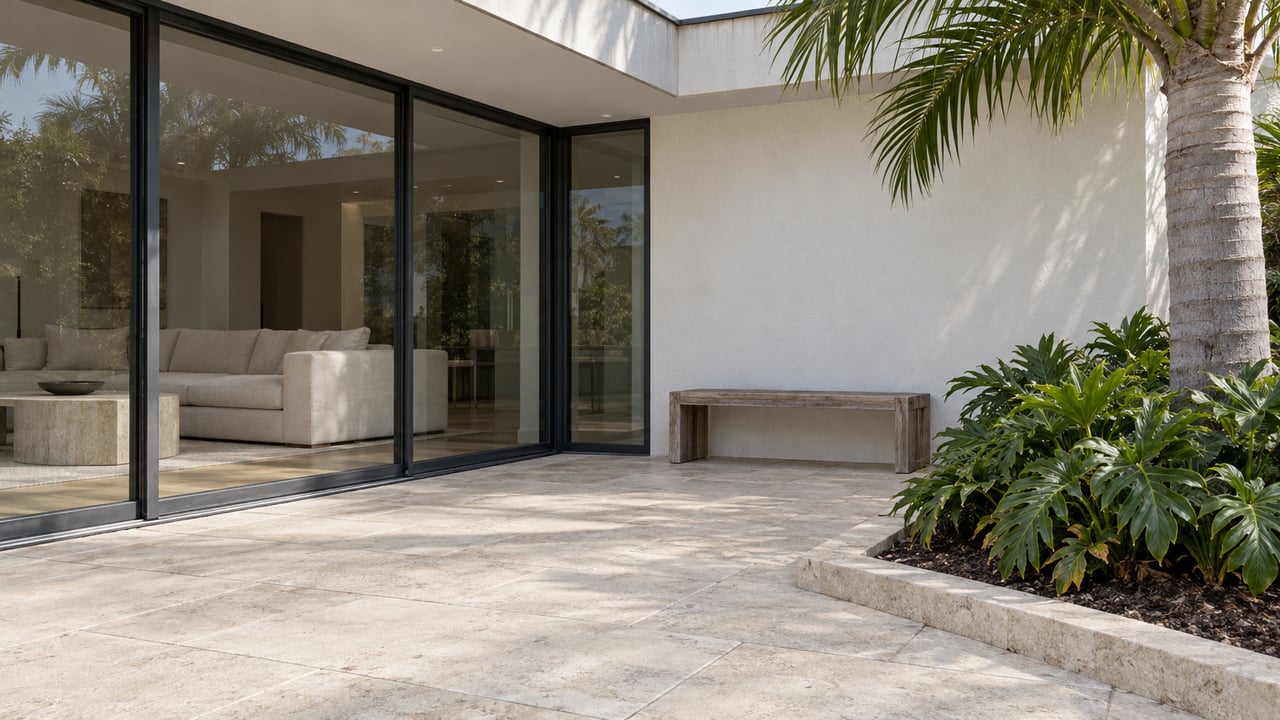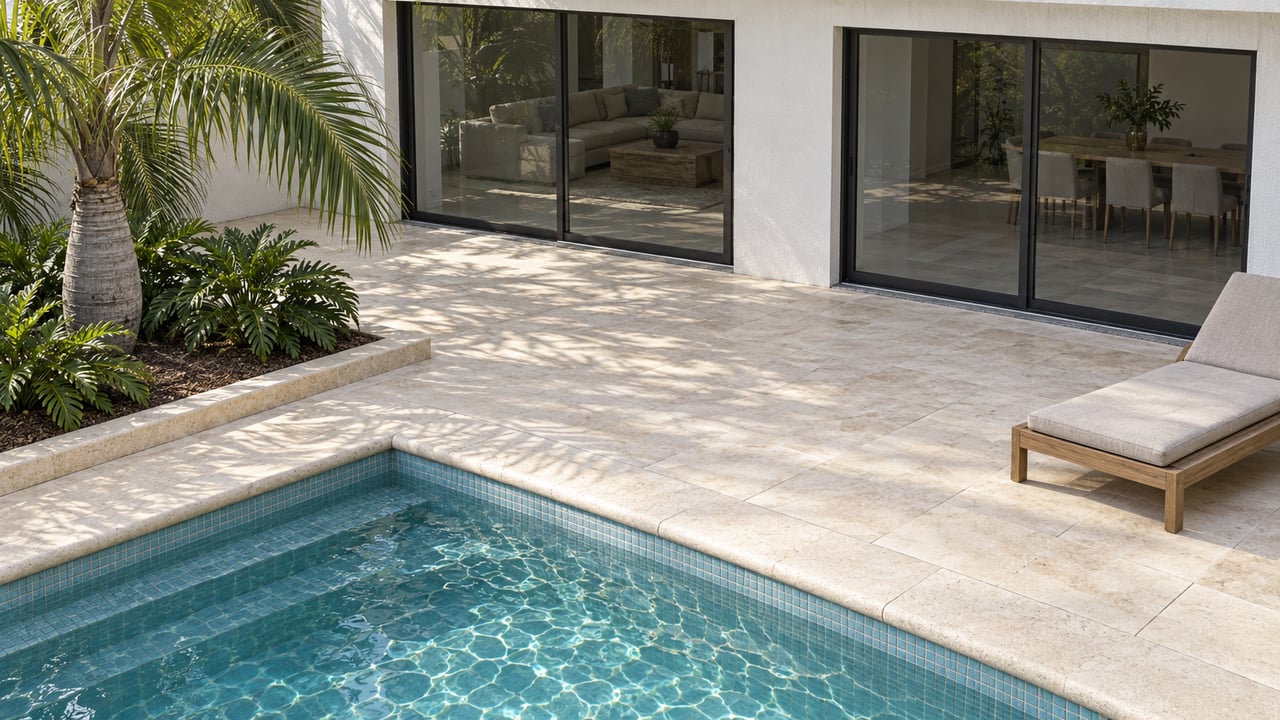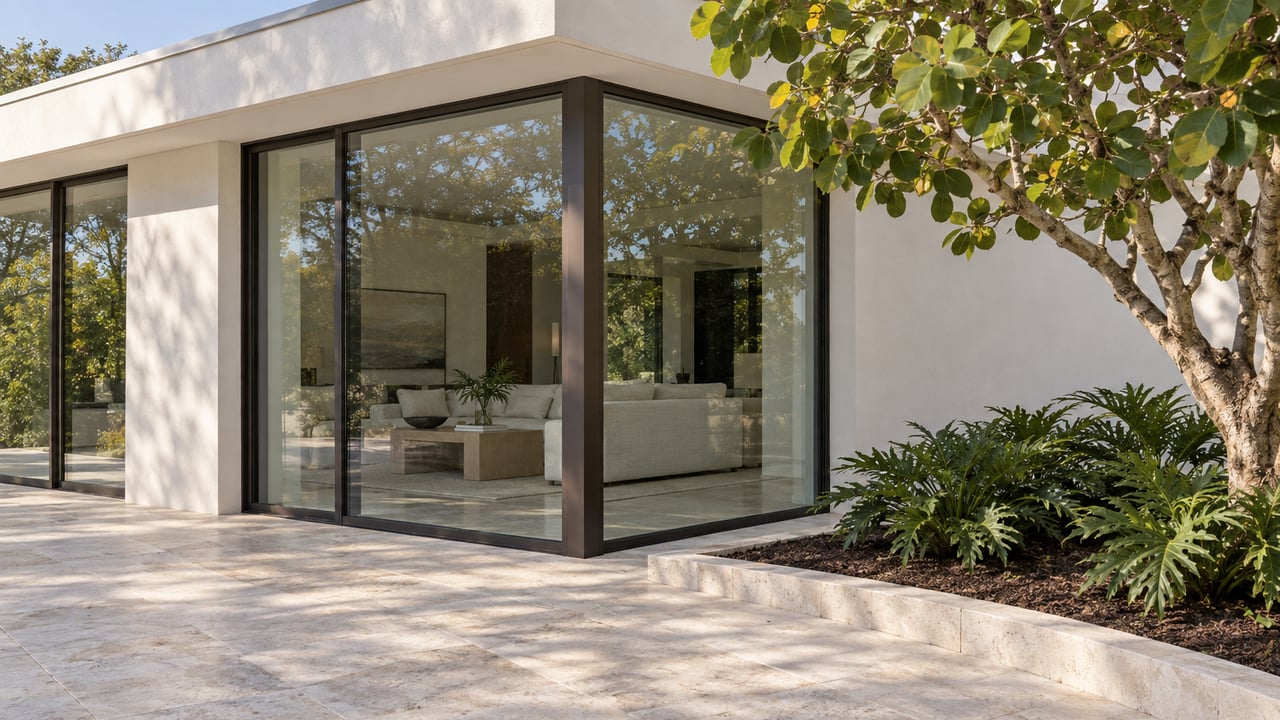
Torn between a sleek new build and a character-filled resale in Fort Lauderdale? You’re not alone. In a coastal, condo-heavy market like Broward, the choice affects your costs, timeline, insurance, and long-term value more than you might expect. This guide breaks down what changes locally and gives you a clear framework to decide with confidence. Let’s dive in.
Fort Lauderdale market snapshot
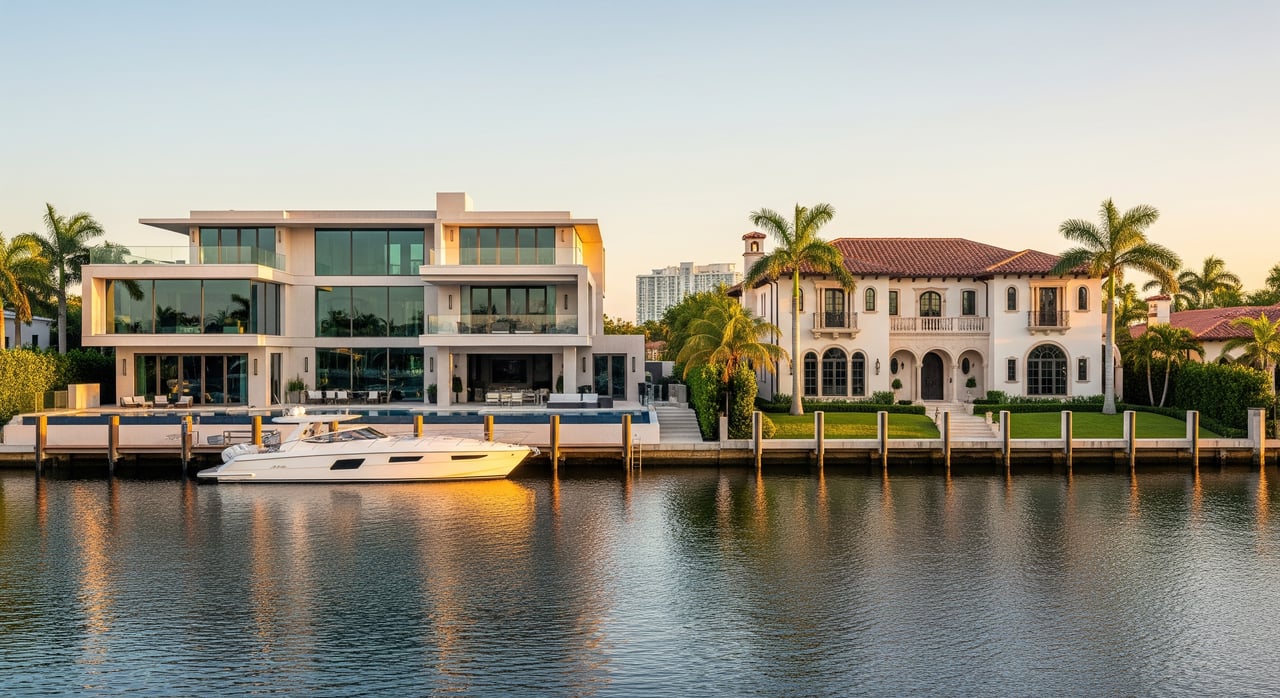
Fort Lauderdale and the broader Broward area mix high-rise condos, waterfront estates, and infill townhomes. Recent new construction has focused on high- and mid-rise condos along the Intracoastal, A1A, Flagler Village, and downtown, plus luxury single-family builds on waterfront lots. You’ll also see attached townhomes in infill pockets and master-planned subdivisions farther west or north. Resale supply stays tight in prime neighborhoods, which can keep resale prices firm even when new-build options exist in other areas.
What you pay: price and total cost
New construction typically carries a higher sticker price because of modern features, hurricane-engineered design, parking, and amenity packages. That said, you may avoid near-term upgrades like impact windows, major appliances, or structural updates that older homes need. Resales can look less expensive upfront but sometimes hide near-term costs for roofs, HVAC, plumbing, electrical, or bringing items up to current standards.
Waterfront and prime areas like Las Olas, Rio Vista, Victoria Park, and Harbor Beach command premiums regardless of age. For condos and townhomes, compare HOA dues, reserve strength, and the potential for special assessments. Also review property taxes: new builds are typically assessed at current market value, while a resale may have a different history. Read builder contracts for any added fees and factor incentives alongside upgrades and closing costs to understand the true bottom line.
Financing, appraisals, and timelines
Resale purchases often close in 30 to 60 days, though timing depends on contingencies and financing. New construction timelines vary widely: move-in-ready units can close quickly, while pre-construction or spec homes may take months or longer, and delays are not uncommon.
Most resales use conventional, FHA, or VA financing. New builds can involve construction-to-permanent loans, developer incentives like rate buydowns, or builder-related lender credits. Appraisals can be more straightforward on resales with clear comparable sales, while new construction appraisals may face challenges when there are limited comps or unique upgrade packages that appraisers discount.
Inspections, warranties, and code
Always inspect, regardless of age. For resales, order a full scope inspection and add specialized checks as needed for roof, pest, mold, or engineered systems. For new construction, third-party inspections at milestones like pre-drywall and final walkthrough help verify workmanship and code compliance.
Builders commonly offer limited warranties that may cover finishes for a year, systems for longer, and structural components for extended periods. Review what’s covered, how claims work, and whether the warranty is transferable or insured. Florida’s post-storm code updates mean most modern construction meets current wind-load and hurricane tie-down standards. Older homes might need retrofits such as impact glazing or roof-to-wall connections to align with insurer and code expectations.
Insurance and flood risk in Broward
Florida’s homeowner insurance market remains dynamic. Some buyers will find limited carriers or higher premiums, and Citizens Property Insurance can act as a backstop when private options decline a policy. Shop coverage early for any property you consider.
Flood exposure is a key factor in coastal Broward. Many homes are in mapped FEMA flood zones where flood insurance is required for financed purchases. Elevation, seawall condition, and lot drainage all affect premiums. New builds designed to current standards or higher elevations may qualify for more favorable ratings, but actual premiums depend on the flood zone, elevation certificate, and insurer underwriting.
For condos, understand the master policy type and the association’s claims history, reserves, and upcoming projects. Healthy reserves and adequate coverage matter for both insurance and financing.
Resale value and future marketability
Location and product type drive demand. Waterfront addresses, walkable urban cores like Las Olas, downtown, and Flagler Village, and features such as impact windows and parking tend to hold interest. New builds with modern layouts and energy efficiency often command premiums, though unique designs or very high-end custom homes can limit the buyer pool and affect time on market.
Established resale neighborhoods may offer clearer comparable sales and more predictable liquidity. For condos, lenders scrutinize association finances, delinquencies, and insurance. Newly formed associations under developer control can complicate traditional financing until enough units have sold and financials stabilize.
When new construction makes sense
- You want current Florida Building Code standards and engineered hurricane protection.
- You prefer modern layouts, energy efficiency, and immediate low-maintenance living.
- You value builder warranties and are comfortable with a longer or variable delivery timeline.
- You’re buying in a flood-prone area and want elevated design that may support better insurability.
When resale is the smarter move
- You want a faster closing and established comps for appraisal clarity.
- You prefer a specific street, architectural style, or larger lot not available in new builds.
- You’re willing to update systems or finishes to build equity and tailor the home.
- You want a wider buyer pool and predictable liquidity when you later sell.
Quick decision checklist
- Builder or property vetting: Review builder reputation, completed projects, and any litigation history. For resales, confirm permits for past renovations and review disclosures for flood or prior damage.
- Contract terms: For new builds, scrutinize change-order rules, deposits, delay clauses, and warranty processes. For resales, confirm your inspection and financing contingencies.
- Inspections: Schedule full inspections for resales; request pre-drywall and final inspections for new builds when allowed.
- Association health: Read condo or HOA documents, budgets, reserves, and any special assessment history or plans.
- Insurance and flood: Obtain preliminary quotes for homeowners, wind, and flood. Review the FEMA flood zone and request an elevation certificate when available.
- Total cost of ownership: Model taxes, HOA dues, CDD obligations if applicable, utilities, and near-term maintenance or upgrade needs.
- Appraisal and lending: Discuss appraisal risk early, especially for unique new construction or condos in developer-controlled associations.
How we can help in Fort Lauderdale
Choosing between new construction and resale is nuanced on the coast, from flood maps and seawalls to HOA reserves and builder warranties. You deserve clear answers and a plan that fits your timeline and budget. If you want a calm, concierge process with local insight across waterfront condos, single-family homes, and luxury estates, we’re ready to help.
Have questions or want a tailored comparison for a specific building or neighborhood? Reach out to Tatsiana Tobina-Fotiou LLC for a personalized consultation.
FAQs
Is new construction safer in hurricanes than older homes?
- New builds must meet current Florida Building Code standards, often including impact windows and stronger roof connections, but site specifics like elevation and exposure still matter.
Will flood insurance be cheaper on a new home in Fort Lauderdale?
- Not always. Premiums depend on the FEMA flood zone, the home’s elevation relative to base flood elevation, and insurer underwriting, regardless of the home’s age.
How long does a new-build condo or home take to deliver?
- Move-in-ready units can close in weeks, while pre-construction or spec homes may take months or longer, with potential delays tied to permitting or supply chains.
What should I inspect on a resale near the water?
- Order full home, roof, pest, and moisture inspections; verify permits for past work; and evaluate seawalls, drainage, and any flood history noted in disclosures.
Can I get a traditional loan for a new condo still under developer control?
- Many lenders require a certain percentage of units sold and strong association financials; some buyers use cash or portfolio lenders until thresholds are met.