Ever wonder what day-to-day life really feels like when you live steps from Fort Lauderdale’s sand and Intracoastal? You picture sunrise walks, breezy lunches, and weekend boat days. You also want the unfiltered version of crowds, parking, insurance, and seasonal rhythms. In this guide, you’ll get a clear, practical look at routines, trade-offs, and the choices you’ll make to fit your lifestyle. Let’s dive in.
Beachfront vs. near-beach living
Beachfront condos on A1A
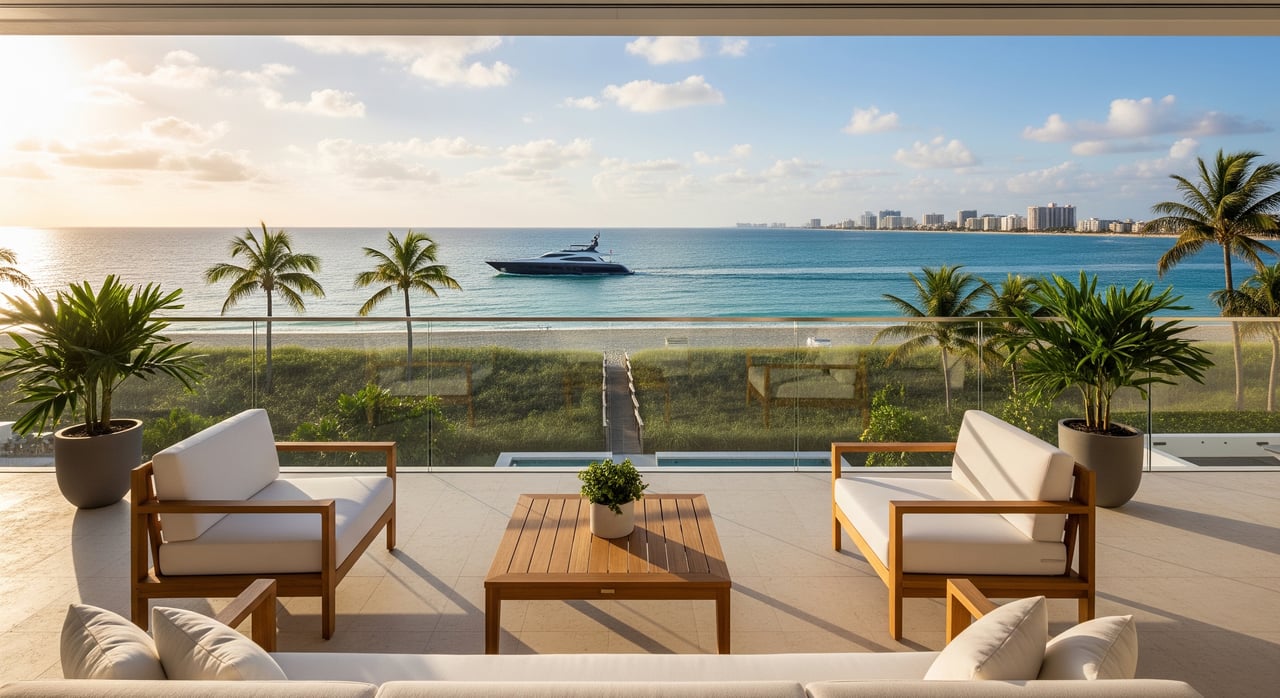
If you want ocean views and a quick walk to the sand, oceanfront condos along A1A are your most common option. You’ll find mid and high rises with shared amenities, on-site parking, and homeowner association fees. Many buildings have rental rules, so you should confirm what is allowed before you plan on hosting seasonal tenants. The vibe is lively, especially in winter when tourism is at its peak.
Canal-front homes and docks
If boating is your priority, canal-front homes and condos along the Intracoastal Waterway are a strong fit. Many properties offer private docks or nearby marinas for quick access to the ocean. Slips can be limited and costly, so factor availability and maintenance into your plan. You’ll trade direct sand access for a boat-first lifestyle.
Quiet streets a few blocks in
A few blocks off the beach, you’ll find a calmer pace. These areas give you quick access to the sand without the late-night noise you might hear on the main strip. You typically drive for full-service groceries or larger errands, but you gain privacy and a more residential feel.
A day in the life by the ocean
Morning: sun, sand, and coffee
Mornings are when locals take advantage of cooler air. You’ll see beach walks, sunrise yoga, runs on the promenade, and paddleboards on calm water. Cafes along A1A and Las Olas open early, so it is easy to grab coffee after a workout. Summer mornings are popular for water sports before afternoon heat builds.
Midday: beach time and errands
Midday is for beach hours, quick lunches near the sand, or errands a short drive inland. You’ll find public beach access points along A1A and lifeguards at many stretches of city beaches. For local happenings and seasonal events, check the region’s event calendar on Visit Lauderdale.
Sunset and evening: dining or nightlife
Sunset brings walkers back to the promenade and boaters to the Intracoastal. Las Olas Boulevard is a favorite for dinner, with a mix of casual and upscale options. Beach bars and hotel lounges are busiest on weekends and in high season. If you prefer quiet evenings, look for homes on residential blocks a bit away from the main nightlife corridors.
Getting around the beach area
Walkability and short trips
The beachfront corridor is walkable for cafes, restaurants, and the promenade. Las Olas connects the beach to downtown with a pedestrian-friendly spine. For full grocery runs and larger retail, you’ll often rely on a short drive.
Transit and regional connections
Broward County Transit buses serve the beach corridor with local routes, and circulators operate seasonally to help visitors get around. For regional travel, the Brightline station downtown connects you quickly to Miami and West Palm Beach. You can review countywide options on Broward County Transit.
Parking and crowds
Expect metered street parking and public garages near the sand, with higher demand in winter and on event weekends. For updates on parking rules, beach access, and city services, start with the City of Fort Lauderdale. During big events like the Fort Lauderdale International Boat Show, traffic increases and some areas see detours or higher congestion.
Beaches, boats, and the water
Marinas and boating access
Fort Lauderdale is a major boating hub with marinas and service yards throughout the Intracoastal. Many residents keep paddleboards or kayaks for calm-water days and use marinas for larger vessels. The fall boat show season brings global traffic, marine industry events, and a lively marina scene. If docking is essential, confirm slip availability and rules with your building or preferred marina before you buy.
Beach safety and conditions
City beaches are maintained, with lifeguards at many public points during posted hours. After heavy storms, you may see temporary water quality advisories from county agencies. Sargassum seaweed can appear seasonally, often in late spring and summer, which can affect beach aesthetics for short periods. For current advisories and environmental updates, check Broward County.
Climate, storms, and preparedness
Fort Lauderdale has hot, humid summers with frequent afternoon thunderstorms and mild, drier winters. Hurricane season runs June through November, with a peak from August to October. You should review forecasts and preparedness guidance from the National Hurricane Center each season. The city and county publish evacuation information and resilience updates on their official sites.
Flood risk is part of coastal living. Many beachfront and near‑beach properties are in FEMA flood zones where lenders require flood insurance. You can look up a property’s designation on FEMA’s Flood Map Service and learn about coverage options through the National Flood Insurance Program.
Costs and rules to plan for
Beach living usually comes with higher costs. Budget for HOA or condo fees, windstorm and flood insurance, and maintenance due to salt air. If you plan to offset costs with seasonal rentals, confirm what your city and building allow. Fort Lauderdale requires licensing and compliance for short‑term rentals, so always start with the City of Fort Lauderdale and your association documents for current rules.
Smart steps to choose your fit
- Decide what matters most: ocean views, a quiet street, or dock access.
- Visit in both winter and summer to feel the seasonal differences.
- Test your daily routine: morning walks, transit options, and parking.
- Verify the property’s FEMA flood zone and get insurance quotes early.
- Review condo or HOA documents for rental rules and pet policies.
- Ask about marina slip options if boating is a priority.
Ready to explore the best beach and canal neighborhoods for your lifestyle and budget? Get personal guidance, on-the-ground insight, and a smooth process from a boutique coastal specialist. Reach out to Tatsiana Tobina-Fotiou LLC to start your Fort Lauderdale search.
FAQs
When is Fort Lauderdale’s beach area busiest?
- High season generally runs November through April, with more visitors and events that increase traffic and beach activity.
Do you need a car if you live near Fort Lauderdale Beach?
- You can walk to the beach and nearby dining, but most residents still use a car for full grocery runs, larger shopping, and services a short drive inland.
How do I check flood risk for a coastal home or condo?
- Use FEMA’s flood maps to find a property’s zone and ask insurers for quotes; lenders often require flood insurance in high‑risk zones.
What is hurricane season like for beachfront residents?
- From June to November you monitor the National Hurricane Center, prepare supplies, and follow local evacuation guidance when storms threaten.
Can I rent my beach property short term in Fort Lauderdale?
- It depends on city licensing and your building’s rules; start with the City of Fort Lauderdale and your association for current regulations.