Salt air, boat wakes, and sunrise views are hard to beat. But buying a waterfront condo in Fort Lauderdale comes with unique rules, costs, and checks that can make or break your purchase. If you are relocating or buying a second home, you want clear steps and reliable facts so you can move fast and avoid surprises.
This guide walks you through the exact inspections, documents, insurance, flood maps, marina details, and financing rules that matter most in Broward. You will learn what to request, what to question, and how to plan your timeline. Let’s dive in.
Know the Florida condo rules first
Milestone inspections and SIRS
Florida requires milestone structural inspections for condo buildings three stories or higher beginning at 30 years of age, then every 10 years. These engineer or architect inspections look for structural issues that can trigger repairs and assessments. Review the law on milestone inspections to understand why this matters to your budget and timeline. See Section 553.899.
Florida’s Condominium Act also requires a Structural Integrity Reserve Study for buildings three stories and up. The SIRS focuses on roofs, primary structure, waterproofing and exterior finishes, windows and doors, and other key components. Associations must complete these studies, share them with owners, and plan funding. Read Chapter 718 for what associations must disclose and how reserves work.
What this means for you: if the SIRS or milestone reports list immediate or critical repairs, expect higher monthly dues or a special assessment unless reserves already cover the work.
Documents to see before you offer
You can and should request the association’s disclosures early. Florida law details what must be provided to buyers, including the declaration, bylaws, rules, current budget, year‑end financials, and the SIRS and milestone summaries. Review Chapter 718 so you know what to expect.
Also ask for the estoppel letter, which itemizes regular and special assessments, fees, and key insurance contacts. Delivery timelines and fee caps are set by statute, and lenders rely on this document. See Section 718.116.
Protect your timeline and rights
Contracts often include time to review association documents. If reports are delivered late or contain new structural findings, certain cancellation or extension rights may apply under the Condominium Act. Build a review window into your offer so you can respond to any red flags.
Evaluate the building and the waterfront
Structure and exterior condition
Salt, sun, wind, and humidity accelerate wear on balconies, stucco, waterproofing, windows, and concrete near the coast. Use the SIRS and milestone inspection to pinpoint any urgent items, confirm repair scope and timing, and check whether bids or contracts are already approved. Immediate items often drive near‑term assessments.
Seawalls and shoreline systems
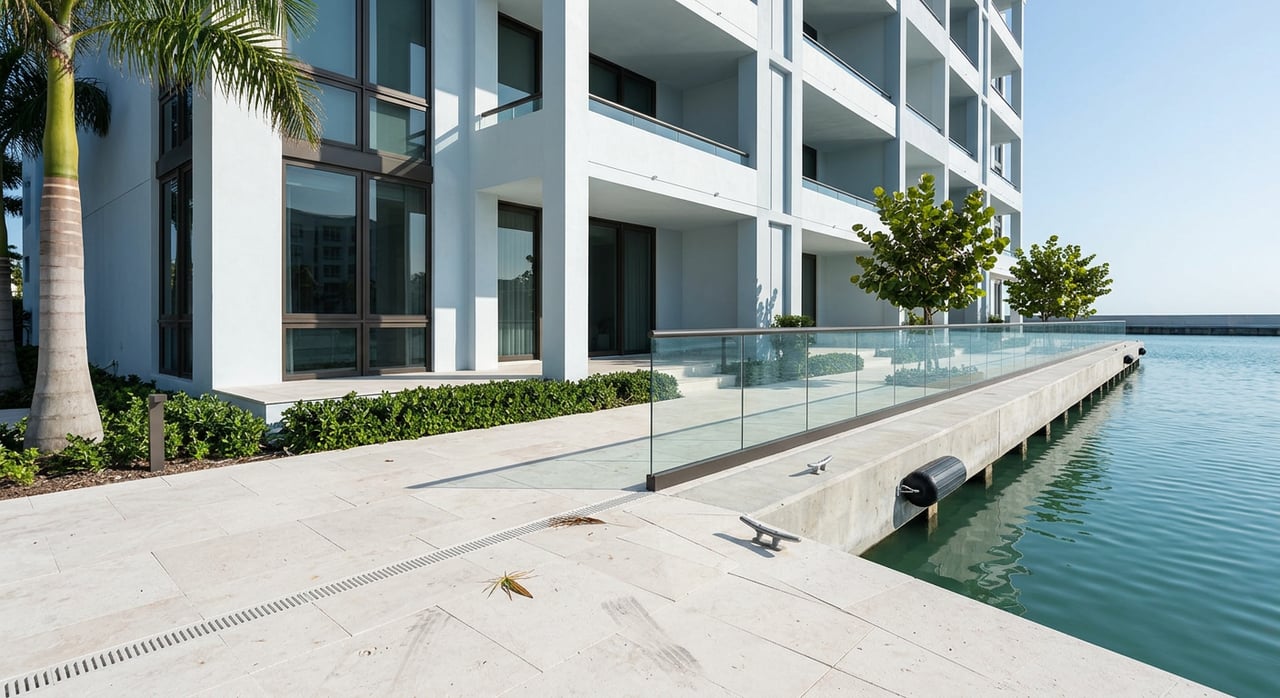
Waterfront condos usually rely on seawalls or bulkheads. Work on these structures is specialized and may require state coastal permits. Confirm who owns and maintains the seawall, when it was last inspected, expected remaining life, and potential replacement cost. Review Florida’s coastal construction and seawall rules for context on permitting. See Section 161.052.
Questions to ask:
- Who pays for seawall repairs and replacements, the association or owners?
- Are there recent inspection reports or engineering opinions?
- Are there any open permits or notices related to shore protection?
Flood zones, new maps, and elevation
Flood risk shapes both insurance costs and lender requirements. FEMA maps and Broward’s recent updates affect many addresses, with a countywide change effective July 31, 2024. Always verify your target building’s current flood zone and request any Elevation Certificate the seller or association holds. You can review Broward’s mapping update resources and tools to confirm a property’s designation and base flood elevation. Check Broward’s flood mapping information.
FEMA’s Risk Rating 2.0 now prices flood insurance with more property‑specific factors. Elevation and community mitigation programs can influence premiums. Learn how Risk Rating 2.0 affects pricing. Get quotes for both NFIP and private flood options early so you can compare apples to apples.
Docks, slips, and boating access
Fort Lauderdale is a yachting hub with premium marina options like Las Olas Marina and quick access to Port Everglades. If a unit advertises dockage, verify whether the slip is deeded and transferable or if it is association‑assigned or leased. Confirm usable length, beam, depth at mean low water, and any fixed bridge clearances that could limit your vessel. You can get a sense of local deep‑water capacity by reviewing a flagship facility such as Las Olas Marina.
Slip scarcity is real in South Florida, and dredging projects can change routes or depths. Before you buy a boat or a condo marketed as deepwater, confirm current channel depths and local maintenance schedules. Regional updates from the Florida Inland Navigation District and industry groups can help you understand access. See recent coverage from MIASF.
Key items to document:
- Recorded deed or license for the slip and the transfer rules
- Slip dimensions and posted depth at MLW
- Association marina rules, fees, insurance requirements, and guest policies
Plan for insurance and financing
Master policy vs. your HO‑6
Associations carry a master policy that covers common elements and structural components. Unit owners typically insure interior finishes and personal property through an HO‑6 policy, and many owners add loss assessment coverage to help with their share of large deductibles. Review the association’s declarations and insurance schedule to see what you must insure. The Florida Condominium Act lays out these responsibilities. Read Chapter 718.
Ask the association for the master policy declarations page, including carrier, limits, wind or hurricane sublimits, and deductibles. This is critical for budgeting and for your lender’s file.
Flood and wind coverage
Flood and wind are separate from the master all‑perils policy in many buildings. If the property sits in a high‑risk flood zone, lenders usually require flood coverage. Get both NFIP and private flood quotes for realistic pricing under Risk Rating 2.0. Understand how FEMA prices risk.
Lender and project approval
Condo financing depends on the project’s status. Lenders that sell to FHA, VA, Fannie Mae, or Freddie Mac review reserves, owner‑occupancy, delinquency levels, and litigation. Some Florida condos need extra documentation or larger down payments. Talk to your lender about project eligibility for your target building before you write the offer. For a helpful overview of investor standards, see this summary of condominium project requirements.
Budget for dues, assessments, and taxes
Reserves, assessments, and rising dues
SIRS requirements are pushing associations to plan and fund structural work more rigorously. In older waterfront buildings, that can raise monthly dues or lead to assessments as repairs are scheduled. When you review the association’s budget and financials, focus on the reserve schedule, current balances, and any board minutes that discuss large projects. Chapter 718 explains reserve disclosures and funding rules.
What to request:
- Current budget, year‑to‑date actuals, and latest year‑end financials
- Reserve study and SIRS, plus any board actions on funding
- List and schedule of past and pending special assessments
- Delinquency rate and owner‑occupancy percentage
Property taxes and homestead
Florida has no state income tax, but you should plan for Broward County property taxes. If you plan to make the condo your primary residence, the homestead exemption can lower your bill once you apply and qualify. Out‑of‑state buyers should budget using non‑homestead estimates until the exemption is in place.
Short‑term rentals in the city
City registration and association rules
Fort Lauderdale runs an active vacation‑rental registration program that includes local licensing, inspections, and a 24‑hour responsible party. Many condo associations add stricter rules, including minimum lease terms, waiting periods, or outright prohibitions. Before you count on rental income, confirm both the building’s rules and the city’s requirements. You can review the city’s registration process here: Fort Lauderdale Vacation Rental Registration.
Remote‑buyer checklist you can use today
Essential documents to request
- Estoppel letter with regular and special assessments, fees, and effective dates. See Section 718.116.
- Full condo resale package: declaration, bylaws, rules, latest budget and financials, year‑end statement, plus SIRS and milestone summaries. See Chapter 718.
- Milestone inspection reports, engineer summaries, bids, and repair contracts. See Section 553.899.
- Proof of insurance for the association, including wind and flood declarations.
- Seawall, roof, elevator, fire and life safety, and structural inspection reports. See Section 161.052.
- Marina or slip documents: recorded deed or license, MLW depth, and transfer rules. Review a local reference point like Las Olas Marina for context on large‑vessel facilities.
Questions to ask right away
- Has the SIRS and the most recent milestone inspection been completed, and what urgent items were flagged? Are bids approved and funded? See Chapter 718.
- Are there pending or recent special assessments, and what are the payment schedules? See Chapter 718.
- What are the owner‑occupancy and delinquency rates, and is there any active litigation that could affect financing? See project standards.
- Who owns and maintains the seawall, and when was it last inspected or repaired? See Section 161.052.
- Is a boat slip included with the unit, and what are the transfer, fee, and insurance requirements? If not included, what is the process to lease through the association or a nearby marina? Review a local marina.
- Does the association allow short‑term rentals, and what city licenses are required? See Fort Lauderdale’s program.
Professionals to put on your team
- Florida condo attorney to review documents, estoppel language, and any litigation. Start with Chapter 718 to frame your questions.
- Structural engineer to evaluate SIRS and milestone findings and confirm repair scopes. See Section 553.899.
- Marine surveyor to verify slip depth at MLW, safe access to the ocean, and marina rules. Regional navigation context.
- Insurance broker skilled with NFIP, private flood, and condo master policies. Learn about Risk Rating 2.0.
- Lender who regularly approves Florida condo projects and can pre‑screen building eligibility. Project standards overview.
Timing tips for out‑of‑state buyers
- Order the estoppel as soon as you go under contract. Statutory delivery windows and effective dates can determine how quickly you close. See Section 718.116.
- Make your offer contingent on a defined review period for the SIRS, milestone report, and financials. If new reports arrive, confirm any statutory cancellation or extension rights in writing. See Chapter 718.
- If dockage is involved, verify slip transferability and schedule marine soundings early to avoid last‑minute surprises.
Buying on the water in Fort Lauderdale is a lifestyle win when you match views with sound due diligence. Center your effort on the SIRS and milestone findings, reserves and assessments, current flood designations and quotes, and the exact status of any slip or marina rights. If those items check out and the project meets lender standards, you can move forward with clarity and confidence.
Ready to map your options and compare buildings side by side? Contact Tatsiana Tobina‑Fotiou LLC for a personalized market consultation.
FAQs
What is a Structural Integrity Reserve Study for Florida condos?
- It is a legally required study for buildings three stories and higher that estimates remaining life and reserve funding needs for critical components like roofs, structure, waterproofing, and windows, guiding budgets and assessments.
How do Fort Lauderdale’s updated flood maps affect my loan and insurance?
- Flood zone changes can trigger lender flood‑insurance requirements and alter premium costs under FEMA’s Risk Rating 2.0, so you should confirm your exact zone, elevation, and get current quotes before you offer.
What should I verify about a condo’s boat slip in Fort Lauderdale?
- Confirm whether the slip is deeded and transferable, check posted length, beam, and depth at mean low water, review marina rules and fees, and verify air‑draft limits for bridges between the slip and the ocean.
Can I do short‑term rentals in a waterfront condo in Fort Lauderdale?
- Only if both the association allows it and you complete the city’s vacation‑rental registration and compliance steps; many buildings restrict or prohibit short‑term rentals.
What insurance will I need for a Broward waterfront condo?
- Expect an HO‑6 policy for interiors and personal property, possible loss assessment coverage, and separate flood coverage if required by the zone or lender, plus the association’s master policy for common elements.
How do lenders approve Florida condo projects?
- They review reserves, owner‑occupancy, delinquency rates, litigation, and insurance; some projects require extra documentation or larger down payments to meet FHA, VA, Fannie Mae, or Freddie Mac standards.