Thinking about selling your Singer Island oceanfront condo but not sure where to start? You are not alone. Between HOA documents, insurance questions, and seasonal timing, even great properties can sit longer than they should. In this guide, you will get a clear plan to prepare, price, market, and close confidently, with tips tailored to oceanfront condos in Palm Beach County. Let’s dive in.
Know your buyer
Who is buying on Singer Island
Singer Island attracts seasonal residents, retirees, second-home buyers, lifestyle-focused luxury buyers, and investors. Many come from the Northeast and Midwest, and some are international. These buyers want unobstructed ocean views, direct beach access, upgraded interiors, hurricane protections, and convenient parking or storage.
Timing and seasonality
Showing activity typically peaks in winter when snowbird buyers are in town. Listing during high season can expand your buyer pool and strengthen negotiating power. Keep hurricane season timing in mind, since June through November can influence inspections, insurance, and closing logistics.
What buyers weigh in costs
Savvy buyers evaluate total monthly housing costs, not just price. They will compare mortgage payments alongside HOA fees, property taxes, and insurance. Buildings with clear reserve funding and transparent fee coverage feel more predictable and can support stronger offers.
Assemble HOA documents early
Core condo documents to gather
Pull association and building information before you list. This avoids slowdowns later.
- Resale or estoppel certificate detailing fees and assessments
- Governing documents: declaration, bylaws, rules and regulations
- Current budget, reserve study, and recent financials
- Recent board or HOA meeting minutes
- Building certificate of insurance
- Records for recent building work, repairs, or permits
- Rental policy and occupancy restrictions
Why buyers and lenders ask
Buyers and lenders look closely at financial health, reserves, and any special assessments or litigation. Rental rules also matter. Flexible rental policies can attract investors, while strict caps appeal to owner-occupants. Having the full packet ready builds confidence and reduces renegotiations.
Disclosures and legal prep
Florida expects sellers to disclose known material defects. Federal lead-based paint rules apply to homes built before 1978. Condominium resale information is commonly required by purchasers and lenders. It is wise to consult a Florida real estate attorney or an experienced title company to confirm your obligations and closing costs.
Plan inspections and repairs
Pre-listing inspection focus
Oceanfront exposure can accelerate wear. A pre-listing inspection can identify issues before a buyer does.
- Moisture intrusion and window or door seals
- Balcony or terrace condition, including railings and caulking
- HVAC performance and salt-air corrosion
- Electrical items that may come up in lender reviews Provide available engineering or structural reports for the building to address safety questions upfront.
Insurance and flood information
Gather your current policy details and confirm flood zone status. Buyers expect oceanfront properties to be in flood zones, so be transparent about coverage and costs. Note hurricane protections like impact glass or shutters, and any upgrades that reduce risk.
Staging for oceanfront appeal
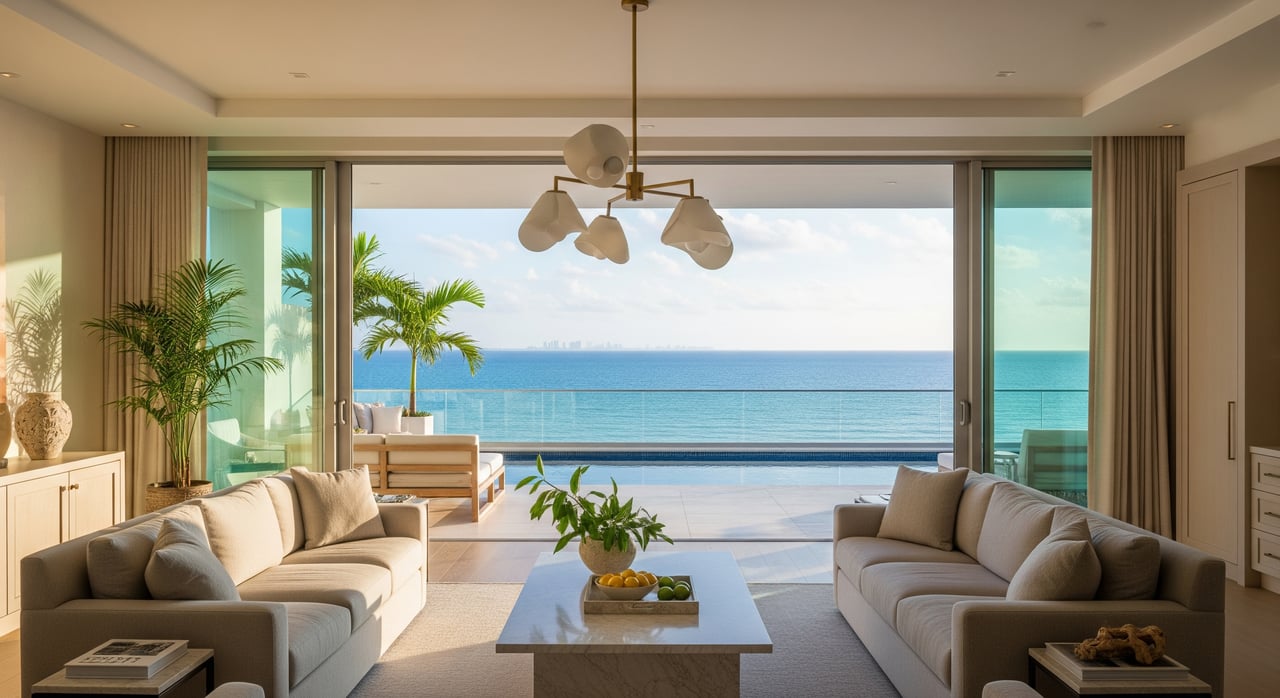
Showcase the views and outdoor living. Keep window treatments minimal, use a neutral palette, and remove heavy seaside themes. Freshen grouts and caulking, deep clean, and dehumidify to eliminate odors. Style the balcony as a comfortable lounge area that highlights the sunrise.
Price with precision
What drives value on the ocean
For Singer Island condos, view quality and level matter. Direct ocean views, higher floors, and east-facing exposure often command premiums. Building amenities, on-site management, security, and private beach access add value. Inside the unit, renovated kitchens, modern bathrooms, flooring, and hurricane protections support stronger price per square foot.
Build better comps
Use recent closed sales in the same building or comparable nearby buildings with similar orientation and floor level. Adjust for floor height, view obstruction, balcony depth and condition, renovation level, parking type, and included furnishings. Track both solds and actives to understand demand and current competition.
Show total monthly cost
Buyers want to see the full picture. Provide an estimated monthly breakdown that includes HOA fees and what they cover, plus property tax, insurance, and a sample mortgage payment at common down payment levels. This transparency helps buyers move forward with confidence.
Market the lifestyle
Must-have listing assets
Winning the click starts with premium presentation. Invest in assets that bring the oceanfront experience to life.
- Professional photography timed at sunrise and golden hour
- Drone photography and video that show beach proximity and building context
- Immersive virtual tours and clear floorplans for out-of-state buyers
- Amenity and community visuals: pool, lobby, gym, beach access, nearby parks and marinas
- An organized digital packet of HOA documents ready for serious buyers
Target the right audience
Syndicate through the local MLS and established portals to reach active buyers. Use targeted email to agents with seasonal and out-of-state clients. Host broker and virtual open houses. For higher-end listings, plan international exposure with multilingual materials. Tailor your messaging to lifestyle and convenience: direct beach access, quick airport access, and proximity to dining and culture.
Navigate common obstacles
HOA friction points to anticipate
Association slowdowns can delay closing. Watch for long turnaround times on resale or estoppel certificates, planned capital projects, newly revealed assessments, or any litigation. Confirm rental policies and screening timelines so investor buyers can plan.
Inspections and appraisals
Expect buyer inspections with a focus on water intrusion, balcony integrity, and HVAC. Keep maintenance records handy. Appraisers often want comparables from the same building or immediate area. If your unit’s view or renovations are unique, be prepared to support the price with detailed comps and documentation.
Lending and insurance hurdles
Lenders will scrutinize flood risk, building insurance, and buyer ability to obtain coverage. Rising insurance costs can narrow the financing pool and affect negotiating leverage. You can help by sharing current association insurance certificates and any mitigation upgrades in your unit.
Tenants and short-term rentals
If your unit is tenant-occupied, review the lease for showing access and notice rules. Confirm whether short-term rentals are allowed and how they are managed. For investor buyers, provide occupancy history and any booking or tax records you maintain.
Closing costs and taxes
Seller closing costs typically include title-related fees, prorations, and the state documentary stamp tax on the deed where customary. If you are selling an investment property or considering a 1031 exchange, consult a tax professional to assess your options and potential capital gains exposure.
Timeline and next steps
A practical roadmap
- Pre-listing prep, 2 to 6 weeks: Gather HOA documents, schedule inspection, complete repairs, stage, and order photography.
- Marketing exposure, variable: Depends on seasonality, pricing strategy, and competition.
- Contract to close, commonly 30 to 60 days: Contingency timelines vary by lender requirements and HOA document turnaround.
Build buffer time for HOA packets and any building-level documentation. A proactive start shortens your days on market and reduces surprises.
Your local advantage on Singer Island
Selling an oceanfront condo is about more than photos and an open house. It is about anticipating what coastal buyers and lenders will ask, packaging the right documents, and positioning your view, condition, and amenities against close-in comps. With a boutique, high-touch approach, you get attentive guidance, premium marketing, and access to seasonal, international, and relocation buyers who value the Singer Island lifestyle.
If you are ready to talk strategy, pricing, and timing that fits your plans, reach out to Tatsiana Tobina-Fotiou LLC for a personalized market consultation.
FAQs
How do condo fees affect my Singer Island sale?
- Higher fees can reduce buyer affordability. Share what the fee covers, including insurance, reserves, and utilities, so buyers see the value, not just the number.
When is the best time to list on Singer Island?
- Winter typically brings more seasonal buyers, which can mean more showings and stronger offers. You can still sell year-round by pricing correctly and preparing well.
Will a flood zone designation hurt my oceanfront sale?
- Not necessarily. Many buyers expect flood zones near the beach. Provide current insurance details, mitigation features like impact glass, and transparent cost information.
What HOA documents will buyers request for condos?
- Plan to provide the resale or estoppel certificate, governing documents, budget and reserves, recent financials, board minutes, insurance certificates, and rental policies.
How do special assessments impact offers and closings?
- Disclose them early with details on amount, purpose, and payment schedule. Clear information helps buyers and lenders underwrite the risk and reduces renegotiations.
How long does it take to close a Singer Island condo?
- Many transactions close in 30 to 60 days after contract, depending on financing, appraisal, insurance, and the speed of HOA document delivery.