Brian Betkiss got hit twice. Both times, he says, he was inside the two-hour free window when the citation showed up, a $40 charge plus a $4.99 transaction fee. He's not alone in that complaint, and by June the pattern had become common enough that Riviera Beach paused the entire paid parking program on Singer Island.
That pause lasted almost two months. As of August 3, the meters, kiosks, and QR codes are back on Ocean Walk and in the Marina District, and the coverage since has mostly repeated the same frame: paid parking returns, residents and tourists raise concerns about parking costs. That's the story if you're a visitor deciding whether to come back next season. If you already live here, the story that actually matters is quieter and more useful: the free two hours everyone keeps citing don't apply the same way across the island, and knowing exactly where the boundary sits is worth more than knowing the headline rate.
Two Charges, One System, No Single Rate
The city's parking vendor, One Parking, runs the program across several lots that don't all behave the same way. Some lots give you the first two hours free before the meter starts. Others, specifically the premium spaces along Ocean Avenue, start charging in the first hour. Layer in a discounted annual resident permit for $50 a year and a separate free employee permit for people who work in specific lots, and you get a system where the sign in front of your car matters more than the general policy you read about last week.
Here's how the pieces actually break down right now:
| Where | Free Window | What Kicks In After | Who Gets a Pass |
|---|---|---|---|
| Ocean Walk Retail West lot and Marina lots | First two hours | Metered rate | Registered employees can get a free permit |
| Premium spaces along Ocean Avenue | None | Charges starting in the first hour | No listed exemption |
| Ocean Reef Park lot, 3860 N. Ocean Blvd | All day | Free | Everyone, no permit required |
Reporting since the relaunch puts the range at $3 on the low end up to roughly $40, with that top figure showing up for stays of about four hours in the busier lots. That spread isn't a rounding error. It's the difference between running in for lunch and spending an afternoon at the beach, and drivers should check which category applies to their parking spot before scanning.
Where Free Employee Permits Apply
The free employee permit has a defined eligibility boundary. Conor Tierney, who owns a business near Ocean Walk, told a local reporter that the free permit program covers businesses inside the Ocean Walk Plaza boundary but not a cluster of shops just on the other side of the same parking lot, his among them, because the city doesn't count them as part of Ocean Walk.
Some businesses sharing a parking lot may have different permit eligibility depending on whether they fall inside the Ocean Walk Plaza boundary. If you work or run a business anywhere near Ocean Walk, the question isn't whether a free permit exists. It's whether your specific address falls inside the boundary the city used to define it.
Enforcement Testing and Program Updates
The pause followed questions about the program's enforcement. At a city council meeting, Mayor Douglas Lawson raised the case of a council member who was ticketed after driving in and immediately driving back out, never actually parking. If the cameras and time stamps were working the way they're supposed to, a citation like that shouldn't have been possible.
One Parking told the council in July that testing was complete and the cameras now correctly time-stamp vehicles, which is the basis for restarting the program in August. The company also revised the signage after a resident filed a lawsuit alleging the original signs didn't meet federal accessibility standards, and four more kiosks are planned across the island to cut down on confusion about where to pay. The paid parking regulations began in October 2025 and the program paused in June 2026, less than a year later.
What the Money Actually Buys
The financial stakes here are bigger than a single ticket. The city says the original program generated more than $640,000 between October 2025 and June 2026, before the pause. It also estimates the two-month suspension cost roughly $170,000 in lost revenue. Those numbers tell you this was never a small pilot program. It's already a real line item for the city.
What residents haven't gotten a clear answer on is where that money goes. One longtime beachgoer, identified only as Bill in local coverage, said he'd support the fees if the revenue actually improved the park, and pointed specifically to restrooms he says have been in the same condition for twenty to thirty years, with stalls and sinks that don't work. The city has said parking revenue funds infrastructure improvements, but as of this writing it hasn't disclosed a breakdown of where that first stretch of money went or what upgrades, if any, are planned with the money coming back in now.
Free Parking at Ocean Reef Park
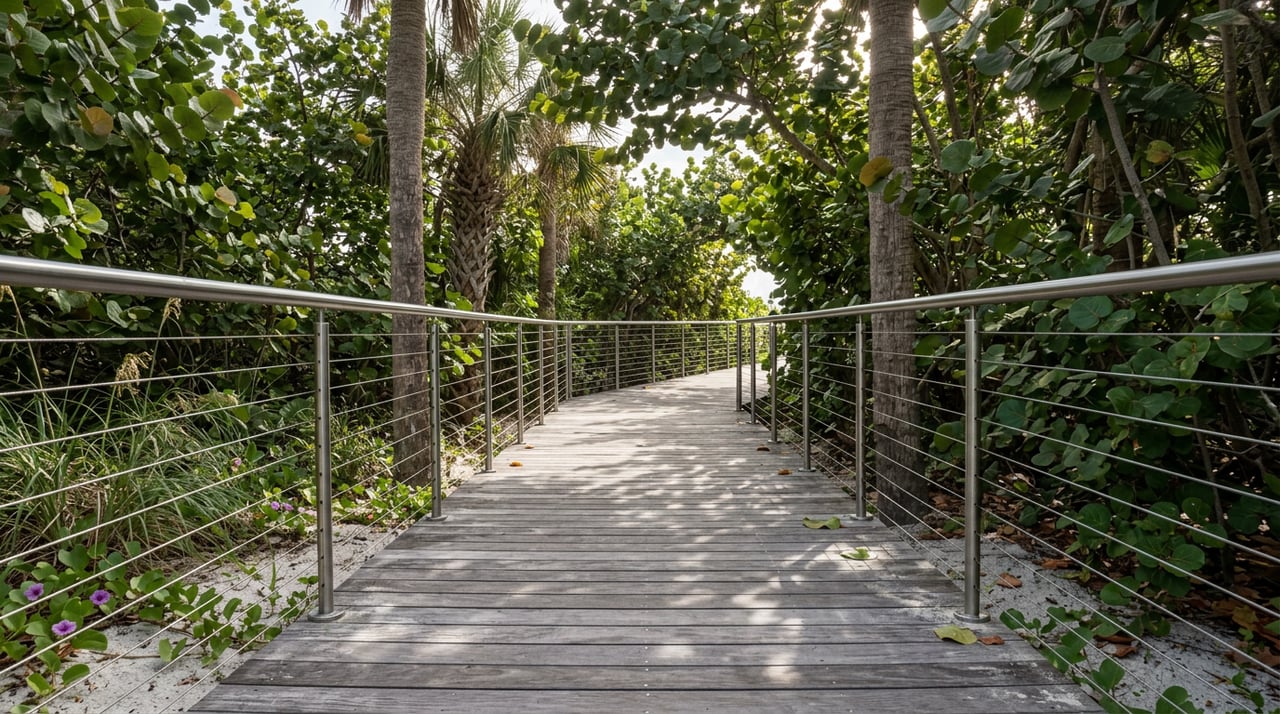
Ocean Reef Park offers a free-parking option if your priority is the beach itself rather than the retail corridor around it. The 12.62-acre beachfront park at 3860 N. Ocean Blvd in Riviera Beach has a large free parking lot and 700 feet of guarded beach. It also has a boardwalk cleanup station, picnic pavilions, grills, and a rocky snorkeling area on one side that draws people specifically for the marine life rather than the shops.
The tradeoff is real. Ocean Reef Park doesn't put you steps from Ocean Walk's restaurants or the Marina District's bars, and the restrooms and amenities read as more basic than a resort setting. But if your plan for the day is sand, water, and not thinking about a QR code, it's the one part of the island where the parking question already has a permanent answer.
Before You Park This Week
A few things worth knowing before you head out:
- The two-hour free window applies at the Ocean Walk Retail West lot and the Marina lots, not universally across the island.
- Premium spaces directly on Ocean Avenue start charging in the first hour, with no free grace period.
- If you work near Ocean Walk, confirm with your employer or the city directly whether your address falls inside the boundary that qualifies for a free permit. Being next door isn't the same as being inside the line.
- Residents can buy a discounted annual permit for $50, valid for twelve months from purchase, through the city's parking program.
- If you're heading to Singer Island purely for the beach and want to skip the payment question entirely, Ocean Reef Park's free lot is the more reliable option on a busy weekend.
None of this makes the system simple. What it does is turn a confusing citywide debate into a set of specific, answerable questions you can check before you ever pull into a lot.
If you're weighing where on Singer Island actually fits how you use the island day to day, from the walk-to-everything convenience of Ocean Walk to the quieter, park-and-forget-it rhythm near Ocean Reef, that's exactly the kind of on-the-ground detail 1 Ocean Realty tracks for clients living here year round. Contact Tatsiana for a personalized market consultation when you're ready to talk through what a specific block or building actually means for your routine, not just its listing price.
This article is general information, not legal, tax or financial advice. Consult a qualified professional about your situation.